

In 2002, a new government transition in Kenya brought about a paradigm shift in the nation’s energy development and sufficiency agenda. The government led by the late President, Mwai Kibaki was keen on liberalizing the economy and creating jobs and the energy sector offered a front for key systematic and institutional changes that would steer the nation in the right direction towards energy sufficiency, industrialization and employment creation.
As the nation sought for more options in renewable energy, the path to embracing solar energy was embraced by Kenyans as the need for sustainability and scalability was becoming more apparent and the rest of the world was making a similar leap. As the nation opened up to more trade with the east, there was a conscious effort to increase the trade in solar technology with more solar energy equipment, tools and parts imports from China into Kenya.
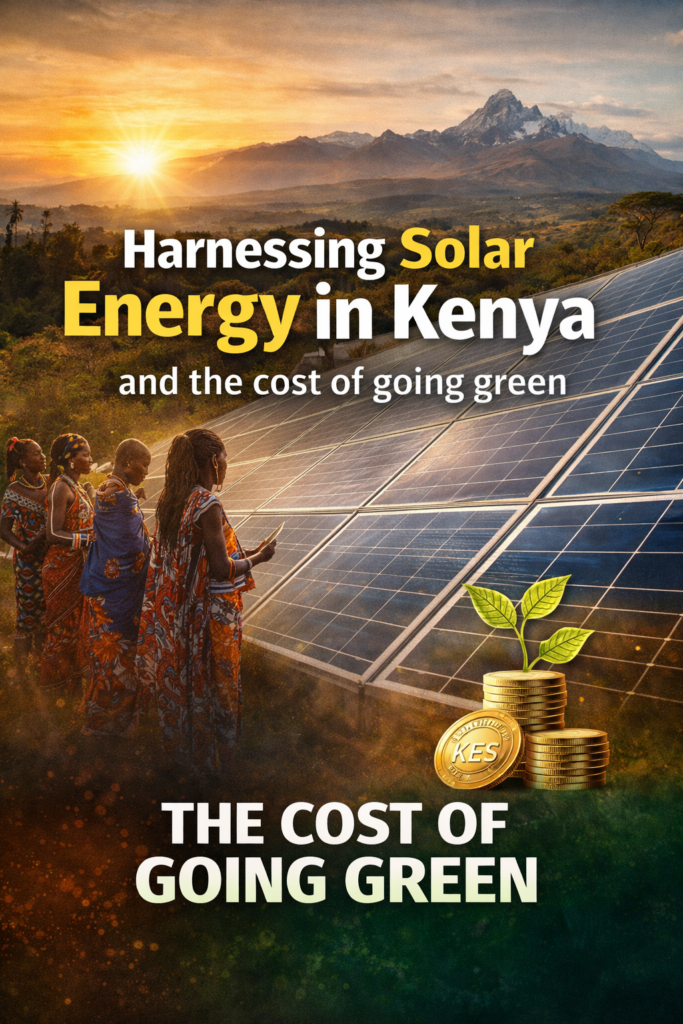
The key benefits that have resulted to a higher popularity of solar energy panels among Kenyans in the urban and rural areas in Kenya include;
Low energy cost- the cost of solar energy after installation of the systems is considerably lower than the hydro-electricity power and Kenyan are quite keen on lowering the bills considering the high prevailing cyclical inflation in the nation. Solar energy is also low maintenance as the cost of parts is considerably low and it does not require regular maintenance therefore, proving very effective overtime. Technology advancements in the field have also propelled this popularity further especially in hot and dry areas of Kenya including the northern region, coastal areas and parts of the eastern province where the dwellers can get the solar energy technology.
With more citizenry seeking energy independence, solar energy created a pathway for more Kenyans especially farmers in rural areas where the electricity grid is not quite sufficient. The industry players such as financiers have found a niche in presenting financing solutions including brands such as Solar King a company that offers solar products in Kenya as the solar energy market continues to expand steadily in the East African nation
The goodwill from the government and the global consciousness regarding the fast pace of climate change will continue to fuel this adoption and advancement of solar energy as a key option and renewable energy solution for the nation. The only shortcoming however, for African nations seeking to industrialize is the simple fact that no nation in the world ever achieved industrialization from solar energy. Simply harnessed at the level at which its currently done, solar energy can only play a complimentary role and as part of a bigger energy system with other sources such as wind and hydro complimenting solar energy to power the industrialization agenda of the nation and thus a delicate balance must be devised for this to be achieved.
About the Author