
Testosterone is the primary male sex hormone, playing a crucial role in physical development, sexual function, and overall health. While it is present in both men and women, men produce significantly higher levels—mainly in the testes, with small amounts made by the adrenal glands. In women, smaller quantities are produced by the ovaries and adrenal glands.
The production of testosterone is controlled by the brain through the hypothalamus and pituitary gland. When testosterone levels drop, the hypothalamus releases gonadotropin-releasing hormone (GnRH), signaling the pituitary to release luteinizing hormone (LH). LH then stimulates the testes to produce testosterone. Levels peak during adolescence and early adulthood, supporting muscle growth, bone density, sperm production, and libido.
As men age, testosterone naturally declines—typically around 1% per year after age 30. This gradual reduction can contribute to symptoms like reduced energy, decreased muscle mass, weight gain, mood changes, and lower sex drive, often referred to as “andropause” or late-onset hypogonadism.
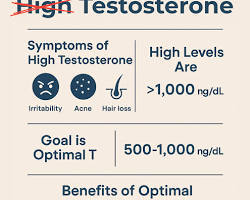
Low testosterone (hypogonadism) can result from various conditions, including obesity, diabetes, chronic stress, sleep apnea, and pituitary disorders. Conversely, excessively high levels—often due to anabolic steroid use or certain tumors—can lead to health issues such as acne, aggression, infertility, and cardiovascular problems.
Maintaining balanced testosterone levels is key to long-term health. Regular exercise, adequate sleep, a balanced diet, and stress management can help support natural production. In cases of clinically low testosterone, medical evaluation and hormone replacement therapy (HRT) may be considered under professional supervision.
Ultimately, testosterone is far more than a “male hormone”—it’s a central regulator of vitality, mood, and metabolic health, influencing men’s well-being throughout life. Understanding its role helps men make informed decisions about lifestyle and medical care as they age
About the Author