
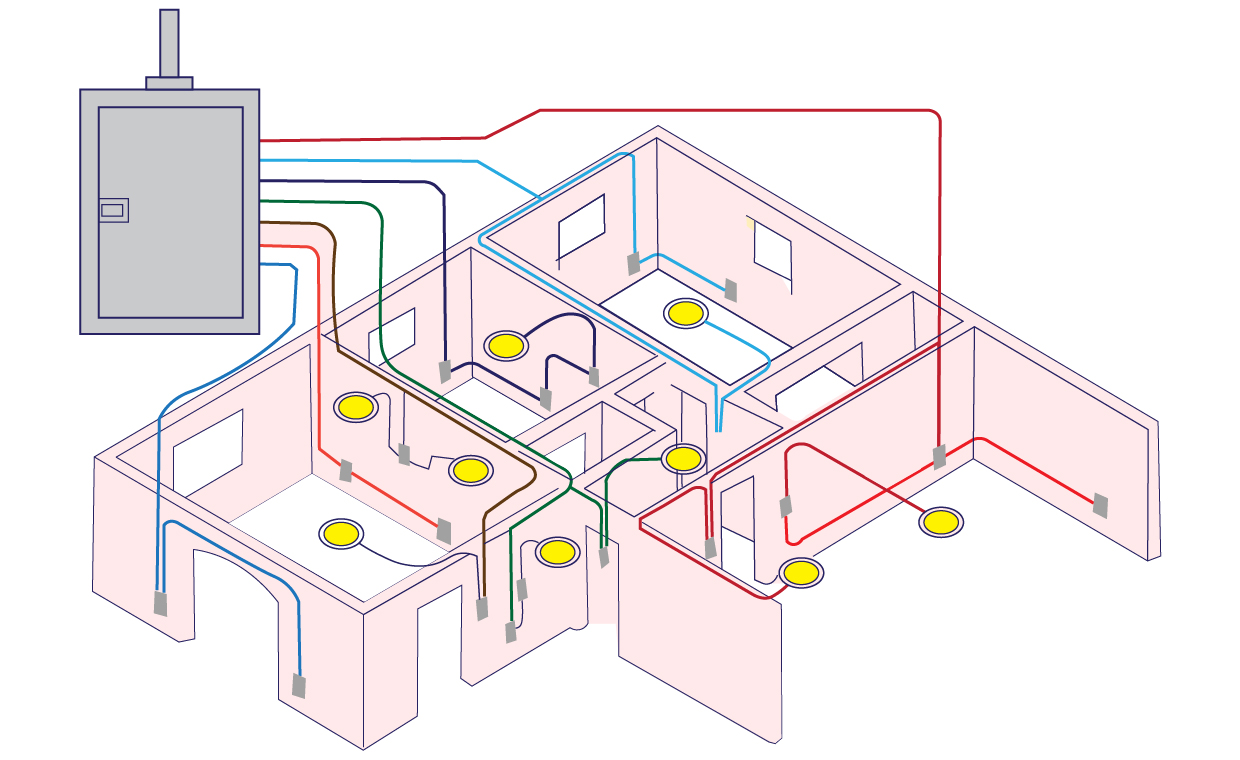
Electric circuits power nearly every device in a modern household, from simple lamps to advanced appliances. Although they operate quietly behind walls, understanding their basics can help you keep your home safer. A typical circuit includes a power source, wiring, switches, and a load that uses electricity. When these components work together correctly, electricity flows in a controlled path. Problems occur when circuits become overloaded, damaged, or exposed to moisture, increasing the risk of shocks or fire.
One essential safety practice is to avoid plugging too many high-power devices into a single outlet. Overloading a circuit causes wires to heat up, which may weaken insulation or ignite nearby materials. Always distribute appliances across multiple outlets, especially those that generate heat, such as space heaters, microwaves, or hair dryers. Inspect power cords often and replace any that show signs of fraying, scorching, or bending. Never use makeshift repairs like tape, because they cannot restore proper insulation.
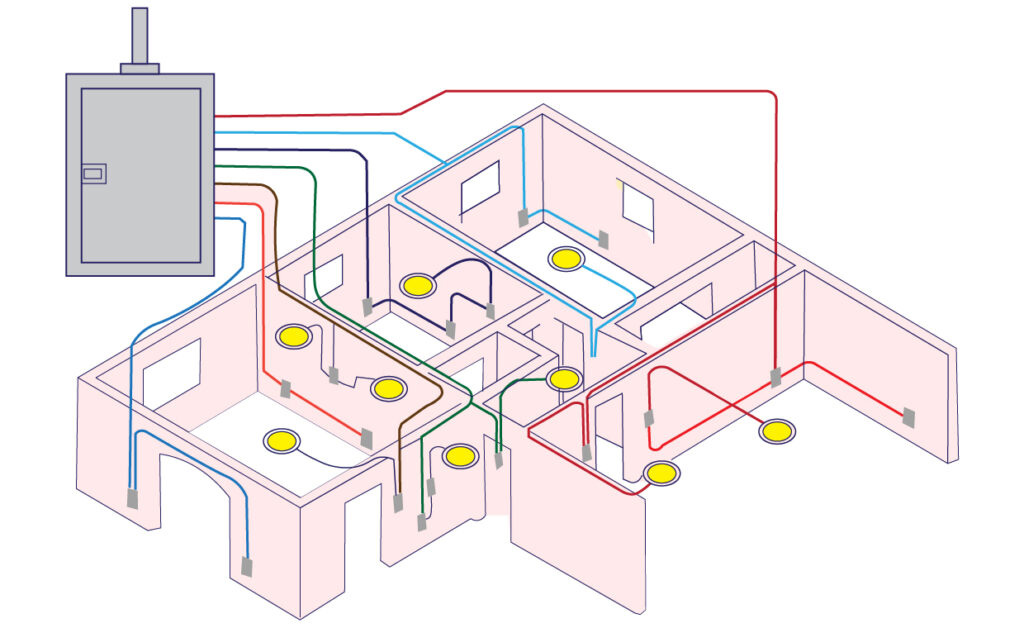
Ground Fault Circuit Interrupter outlets provide valuable protection in areas where water is present. These outlets detect irregular electrical flow and immediately shut off power, reducing the chance of severe shocks. Test them monthly to make sure they function correctly. Another important step is learning how your breaker panel works. A breaker that trips repeatedly is signaling a real problem, not a minor inconvenience. Instead of resetting it again and again, identify what caused the overload and unplug unnecessary devices.
Whenever electrical issues seem confusing or hazardous, contact a licensed electrician. Practicing safe habits and respecting the limits of your home’s circuits ensures reliable power and a safer living environment for everyone.
About the Author